
It’s important to recognize that establishing healthy habits takes time and dedication. By prioritizing self-care and nourishing our bodies with nutritious foods, we actively demonstrate love and respect for ourselves. Each decision we make contributes to our overall health and vitality. While the connection between energy levels and snacking may not always be obvious, adopting best tips for smart snacking can make a meaningful difference.
- Time Your Snacks Wisely: Consume snacks during the day, particularly during mid-morning or midday, to maintain energy levels and prevent energy dips. Experiment with different snack times to find what works best for you.
- Prioritize Nutrient-Rich Options: Choose snacks that fill nutrient gaps in your diet, such as whole grains, vegetables, and foods rich in calcium, potassium, fiber, and vitamin D. These snacks not only satisfy hunger but also support overall health.
- Include Protein and Fiber: Opt for snacks containing protein and fiber, as they promote greater satiety and help control hunger levels. Consider convenient options like nut bars which offer a balance of whole grains and plant protein.
- Find Joy in Your Snacks: Shift your mindset around snacks and embrace both nutritious and indulgent options. Enjoying your snack enhances satisfaction and promotes mindful eating habits.
- Practice Mindful Snacking: Avoid distractions while snacking and take a moment to focus on your food. Mindful snacking reduces overeating and encourages a more enjoyable eating experience.
Here are my Best Tips for Smart Snacking top 5 easy DIY snacks. Remember to try and choose natural ingredients:
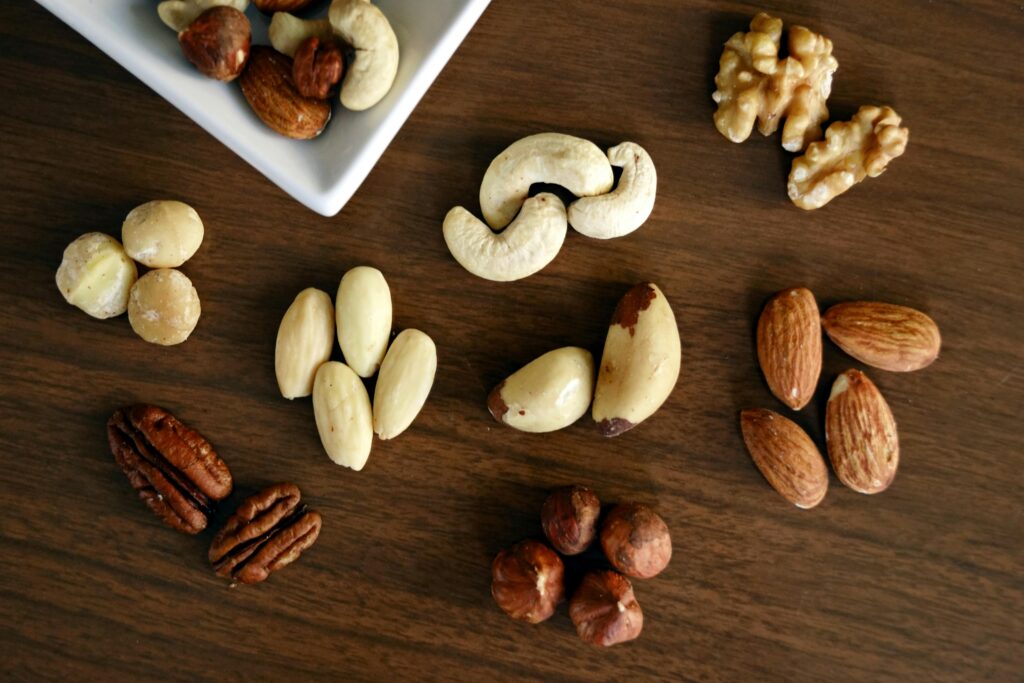
- Trail Mix: Combine your favorite nuts, seeds, and dried fruits in a bowl. You can customize it to your taste preferences and dietary needs. For example, mix almonds, walnuts, pumpkin seeds, dried cranberries, and dark chocolate chips for a delicious and nutritious snack.
- Greek Yogurt Parfait: Layer Greek yogurt with fresh berries, granola, and a drizzle of honey in a glass or jar. This snack is high in protein, calcium, and antioxidants, making it a satisfying and healthy option.
- Vegetable Sticks with Hummus: Cut up carrots, cucumber, bell peppers, and celery into sticks and serve them with your favorite flavor of hummus. This snack is packed with vitamins, minerals, and fiber, and the hummus adds a creamy and flavorful dip.
- Apple Slices with Peanut Butter: Slice an apple and spread peanut butter on each slice. You can also sprinkle them with cinnamon or granola for extra flavor and crunch. This snack is a perfect combination of sweet and savory, providing fiber, protein, and healthy fats.
- Homemade Energy Balls: Mix together rolled oats, nut butter, honey, and add-ins like chia seeds, flaxseeds, or chocolate chips. Roll the mixture into bite-sized balls and refrigerate until firm. These energy balls are convenient for on-the-go snacking and can be customized with your favorite ingredients.
By incorporating smart snacking into your daily routine, you can effectively manage your energy levels, improve mood, and support overall health. Remember that snacking is a tool that can be used flexibly, depending on your needs and preferences. Embrace the journey of discovering what works best for you and enjoy the benefits of nourishing your body with wholesome foods.
From a physiological perspective, smart snacking plays a key role in blood sugar regulation and nervous system balance, two factors directly linked to sustained energy and mental clarity. Large fluctuations in blood glucose, caused by long gaps without food or snacks high in refined sugars, can trigger fatigue, irritability, cravings, and difficulty concentrating.
Research shows that pairing carbohydrates with protein, fiber, or healthy fats slows glucose absorption, leading to more stable energy levels and reduced stress on the pancreas. This is particularly important for people who experience afternoon crashes or rely heavily on caffeine to stay alert.
In addition, regular, well-composed snacks help prevent excessive hunger later in the day, which is often associated with overeating and reduced food awareness.
Smart snacking also supports cognitive performance; studies indicate that steady glucose availability is essential for attention, memory, and decision-making. Beyond energy, snacking choices influence gut health, which in turn affects immunity and mood through the gut–brain axis. Fiber-rich snacks nourish beneficial gut bacteria, supporting the production of short-chain fatty acids that reduce inflammation and promote metabolic health.
Timing also matters: consuming snacks earlier in the day aligns better with insulin sensitivity and circadian rhythm, while late-night snackin, especially high-sugar or high-fat foods, has been associated with poorer sleep quality and metabolic disruption. Importantly, evidence suggests that a flexible, non-restrictive approach to snacking improves long-term adherence to healthy eating patterns.
When snacks are viewed as intentional nourishment rather than “mistakes,” stress around food decreases, supporting healthier cortisol levels and more intuitive eating behaviors. In this way, smart snacking is not just about food choices, it becomes a strategy for maintaining metabolic stability, emotional balance, and sustainable energy throughout the day.
With love Ana!
The ideas and suggestions provided in this post are intended for general educational purposes only and should not be construed as medical advice or care. It is essential to consult with a qualified healthcare professional before making any changes to your dietary habits or lifestyle.