Understanding PCOS: Beyond Physical Symptoms
Understanding PCOS emotional causes can revolutionize treatment approaches. Polycystic ovary syndrome (PCOS) is a complex condition that affects millions of women worldwide. While conventional medicine offers treatments aimed at managing symptoms, the emerging field of biodecoding provides a unique perspective on understanding and addressing the root causes of PCOS.
Biodecoding, also known as biodeprogramming or biodeciphering, is based on the principle that physical symptoms are manifestations of underlying emotional conflicts or unresolved traumas. According to biodecoding principles, every symptom, including those of PCOS, has a psychological or emotional origin that must be addressed to achieve holistic healing.
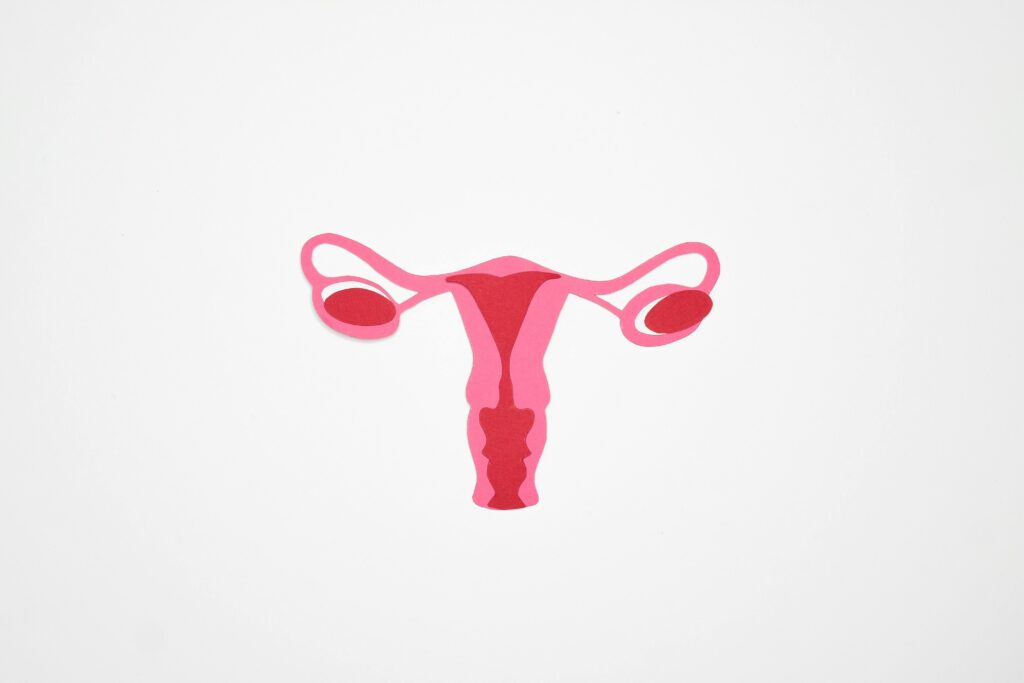
At its core, PCOS is characterized by hormonal imbalances, particularly elevated levels of androgens (male hormones) in women. Conventional medicine focuses on managing these hormonal imbalances through treatments such as birth control pills, hormone therapy, and insulin-sensitizing medications. While these treatments may provide symptom relief, they often fail to address the underlying emotional factors contributing to PCOS.
PCOS Emotional Causes According to Biodecoding
Biodecoding offers a different approach by exploring the emotional conflicts and traumas that may be at the root of PCOS. Your ovaries are telling you it’s time to start a journey in ‘I can do it myself.’ They often try to prove to the world what they can do because subconsciously they believe they can’t do it. Trust your ideas and your intuition. Use these questions to understand the spiritual blockage: What loss have you experienced? What survival conflict have you experienced? What are you afraid of losing?
Femininity and Self-Worth Conflicts in PCOS
According to biodecoding principles, PCOS may be linked to unresolved emotional issues related to femininity, sexuality, and self-worth. By identifying and addressing these underlying emotional conflicts, individuals with PCOS can experience profound healing and symptom relief.
One common emotional conflict associated with PCOS is a distorted relationship with femininity and sexuality. Women with PCOS may struggle with feelings of inadequacy, shame, or self-doubt due to their symptoms, such as acne, hirsutism (excess hair growth), and infertility. These feelings can stem from societal norms and expectations surrounding femininity and beauty, leading to internalized shame and low self-esteem.
Trauma’s Role in Polycystic Ovary Syndrome
Another emotional factor that may contribute to PCOS is unresolved trauma or stress. Chronic stress can dysregulate the body’s stress response system, leading to hormonal imbalances and exacerbating PCOS symptoms. Additionally, past traumatic experiences, such as sexual abuse or emotional neglect, can manifest as physical symptoms like PCOS later in life. Biodecoding aims to identify and resolve these underlying traumas through techniques such as guided visualization, emotional release exercises, and cognitive-behavioral therapy.
Holistic Healing Approach for PCOS
In addition to addressing emotional conflicts, biodecoding emphasizes the importance of lifestyle modifications and self-care practices in managing PCOS. Diet, exercise, sleep, and stress management play crucial roles in regulating hormone levels and supporting overall health. By adopting a balanced lifestyle and prioritizing self-care, individuals with PCOS can empower themselves to take control of their health and well-being.
Furthermore, biodecoding encourages individuals with PCOS to cultivate self-love, acceptance, and compassion for themselves. Instead of viewing PCOS as a burden or a flaw, biodecoding invites individuals to see it as an opportunity for growth, healing, and self-discovery. By embracing their unique journey and honoring their bodies, individuals with PCOS can experience profound transformation and empowerment.
Self-Discovery Questions for PCOS Healing
Core Reflection Questions:
- Survival conflicts: “What am I afraid of losing in my life right now?”
- Femininity blocks: “How do I truly feel about being a woman?”
- Self-worth patterns: “When did I first believe I wasn’t enough?”
- Control issues: “Where am I trying to prove I can do everything myself?”
Daily Emotional Practices:
- Morning intention: “I embrace my feminine power today”
- Mirror work: “I love and accept my body as it transforms”
- Evening reflection: “What emotions did my body express today?”
- Gratitude practice: “I thank my ovaries for their messages”
Signs of Emotional Progress:
- Reduced need to “prove yourself” constantly
- Improved relationship with your feminine energy
- Less anxiety about control and outcomes
- Greater self-compassion during difficult days
Supporting PCOS Healing Through Lifestyle
Emotional Nourishment:
- Creative expression: Art, music, dance to reconnect with femininity
- Boundary setting: Learning to say no without guilt
- Stress reduction: Daily practices that calm the nervous system
- Community support: Connect with other women on healing journeys
Physical Support:
- Anti-inflammatory foods: Support hormonal balance naturally
- Gentle movement: Honor your body’s energy cycles
- Quality sleep: Essential for hormone regulation
- Mindful eating: Tune into your body’s actual needs
Spiritual Connection:
Energy work: Clear blockages around femininity and self-worth
Nature time: Reconnect with natural feminine cycles
Meditation: Listen to your body’s deeper wisdom
Journaling: Process emotions before they become physical symptoms
PCOS Emotional Causes: Your Path to Deeper Healing
Understanding PCOS emotional causes through biodecoding opens doors to healing that conventional medicine alone cannot provide. While hormonal treatments manage symptoms, addressing underlying emotional conflicts can create lasting transformation.
If you have been feeling frustrated, unheard, or disconnected from your body, you are not alone. PCOS can affect far more than hormones, it can also reflect deeper emotional patterns, chronic stress, and inner experiences that deserve compassionate attention. NURA was created to help you explore those deeper signals with more clarity and support, so you can begin reconnecting with yourself and moving toward healing from the inside out.
Key PCOS Emotional Patterns to Explore:
- Femininity conflicts: Struggle with accepting feminine power
- Self-worth issues: Belief that you must prove your capabilities constantly
- Survival fears: Anxiety about loss and lack of security
- Control patterns: Need to do everything independently
- Trauma responses: Past experiences manifesting as physical symptoms
Signs Your Emotional Work is Helping:
Most women notice emotional shifts within 2-4 weeks of consistent inner work, followed by gradual physical improvements over 3-6 months.
Important Integration:
Biodecoding PCOS works best alongside medical care. Consider this approach complementary to, not replacement for, conventional treatment. Many women find that emotional healing enhances the effectiveness of medical interventions.
Personal Note: Watching my daughter’s PCOS journey through both medical and emotional lenses has shown me the power of addressing all dimensions of healing. The questions “What am I afraid of losing?” and “How can I trust my own capabilities?” have been transformational in her process.
Are you ready to explore the emotional aspects of your PCOS? Share which reflection question resonates most with you in the comments below. Your insight might help another woman begin her own emotional healing journey.
Related Articles:
Remember: Your ovaries are speaking to you through PCOS. The question is, are you ready to listen to their deeper message?
With love, Ana
The information provided in this post is for educational purposes only and is not intended as medical advice.