
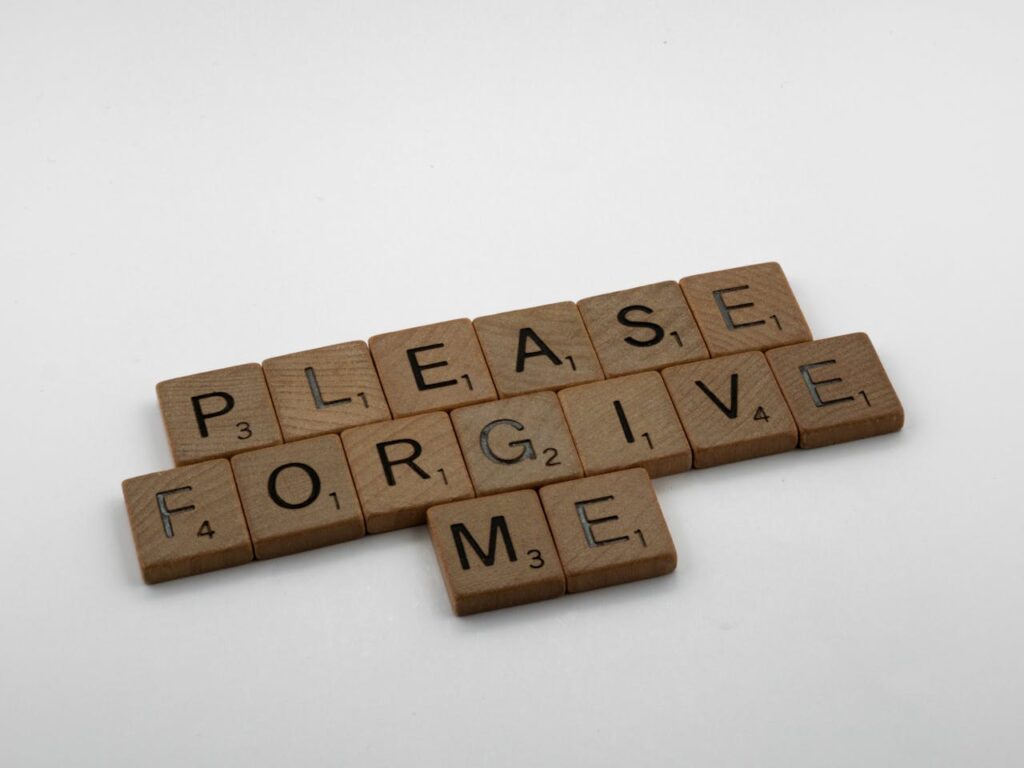
7 Powerful Truths About Forgiveness No One Told You is that forgiveness does not always mean reconciling with someone. Sometimes it means putting down the emotional weight you have been carrying for too long.
That can be hard to accept because many people were taught to see forgiveness as returning, reconnecting, or pretending everything is fine again. But forgiveness and reconciliation are not the same thing. Reconciliation requires mutual repair, trust, and change. Forgiveness, in many cases, is more internal. It can be the quiet decision to stop letting pain take up so much space inside you. Research has linked forgiveness with better psychosocial wellbeing and lower psychological distress over time, which supports the idea that forgiveness can be healing even when it does not restore the relationship.
On With Love Ana, NURA is presented as an emotional wellness companion designed to help people understand what they feel, interpret body signals, and build healthier mental habits through guided reflection. The site also presents the Emotional Clarity Test as an entry point for people who feel overwhelmed or disconnected, and it clearly states that NURA is support for wellbeing, not medical diagnosis or treatment.
7 Powerful Truths About Forgiveness No One Told You
Is that forgiveness does not always look soft, immediate, or relational. Sometimes it looks like an internal release.
You may still decide that someone no longer has access to you. You may still choose distance. You may still keep a boundary. You may still know that the relationship is not safe, healthy, or repairable. Forgiveness does not always erase what happened, and it does not require you to return to a place that keeps hurting you. Sometimes it simply means you no longer want bitterness to keep living rent-free in your mind, body, and emotional life.
That matters because many people delay forgiveness thinking it means excusing harm. But forgiveness does not have to mean approval. It can mean freedom. It can mean choosing peace over prolonged inner punishment.
Why Forgiveness Is Not Always Reconciliation
This is one of the most important truths in emotional healing: forgiveness and reconciliation are two different decisions.
Reconciliation involves two people. It asks for accountability, trustworthiness, change, and mutual willingness. Forgiveness can happen even when those things are absent. You can forgive and still say no. You can forgive and still not go back. You can forgive and still decide that love, access, and closeness are no longer the same thing.
That distinction is healthy, not harsh.
What no one told you about forgiveness is that sometimes forgiveness is not about saving the relationship. Sometimes it is about saving yourself from carrying the same wound forever. In popular mental health explanations and research summaries alike, forgiveness is often described as letting go of resentment without necessarily restoring contact, which fits this more mature and emotionally honest view.
Why Carrying Resentment Can Feel So Heavy
Resentment can feel heavy because it keeps the nervous system emotionally tied to the injury.
When pain stays unresolved, the mind may keep replaying what happened. You may rehearse conversations, imagine different endings, revisit injustice, or feel your body tense each time the memory returns. Over time, that emotional load can become exhausting. Research and reviews on forgiveness have connected unforgiveness with more anger, anxiety, depression, stress, and lower hopefulness, while increased forgiveness has been associated with decreases in stress and mental health symptoms.
That does not mean forgiveness happens overnight. It does not mean you force yourself to feel okay before you are ready. It means there may come a moment when holding the pain feels heavier than beginning to release it. And that release can be a form of self-love, not weakness.
A Biodecoding Perspective on Forgiveness
From the perspective of biodecoding, emotional pain may invite reflection on the inner conflicts, attachment wounds, and meanings a person is carrying after being hurt. This does not replace medical care, diagnosis, or treatment. It is simply a reflective lens that may help someone understand why certain emotions remain active for so long.
Seen through that lens, forgiveness can sometimes be less about the other person and more about ending an internal state of constant emotional tension. A person may notice heaviness in the chest, mental rumination, fatigue, irritability, poor sleep, or recurring emotional sensitivity when a wound remains active inside. That does not mean every symptom has one emotional cause. It means the body and emotions often remain connected when pain is carried for a long time.
In that sense, forgiveness may become a way of reducing inner contradiction. Not by pretending nothing happened, but by deciding that the wound no longer gets to define your entire emotional landscape.
What Research Says About Forgiveness and Wellbeing
Research supports the idea that forgiveness can be linked with better wellbeing. A longitudinal study found that forgiveness of others was associated with improved psychosocial wellbeing and reduced psychological distress outcomes over time. Reviews have also reported that forgiveness is associated with decreases in anger, anxiety, and depression, while intervention studies suggest forgiveness-based approaches can improve mental health and subjective wellbeing.
In simple terms, forgiveness may help not because it rewrites the past, but because it changes your relationship to the pain. That is especially important for people who think forgiveness is only moral or spiritual language. It also has psychological relevance. Letting go of chronic resentment may reduce some of the emotional strain that keeps a person stuck.
If this feels familiar, and you have been carrying pain, resentment, confusion, or emotional heaviness you cannot fully explain, the NURA Emotional Clarity Test can be a gentle place to begin.
It is a simple first step to help you explore your emotional patterns, understand what may be happening beneath the surface, and put words to what you have been feeling. On the With Love Ana site, NURA is framed around helping people understand emotions, find clarity, and move forward, which makes the Clarity Test a natural next step for readers who want more self-awareness.
How NURA Can Support Emotional Clarity
NURA was created for people who feel emotionally overwhelmed, disconnected, or unsure why certain patterns still hurt. On With Love Ana, it is described as a guided companion that helps users understand emotions, interpret body signals, and build healthier mental habits through ongoing reflection. That can be especially meaningful in seasons of forgiveness, because sometimes what a person needs most is not pressure to “move on,” but a more compassionate way to understand what they are still carrying.
What no one told you about forgiveness is that forgiveness does not always mean reconciliation.
Sometimes it means you stop carrying what was breaking you from the inside. Sometimes it means you keep the boundary, keep the lesson, and still choose not to let bitterness lead your life. Sometimes it means you finally realize that peace is not the same thing as going back.
And maybe that is one of the kindest truths about healing: forgiveness can be less about reopening the door and more about setting your own heart down gently.
With love, Ana.